
I am still keeping up with over 20 titles this season, so I am back to breaking this endeavor into two parts. The first covers titles which have hit episode 6 (or in a couple of cases 7) by 5/9/26, and the second (to follow next week) will cover all other titles. Since I am covering My Ribdiculous Reincarnation in biweekly reports, it will not be included in either part.
On the whole, this has not been as strong a season so far as last one in a qualitative sense. (But that’s to be expected, since I still maintain that Winter ’26 will long be remembered as one of the strongest ever.) However, the season is not hurting for entertaining titles..
Agents of the Four Seasons
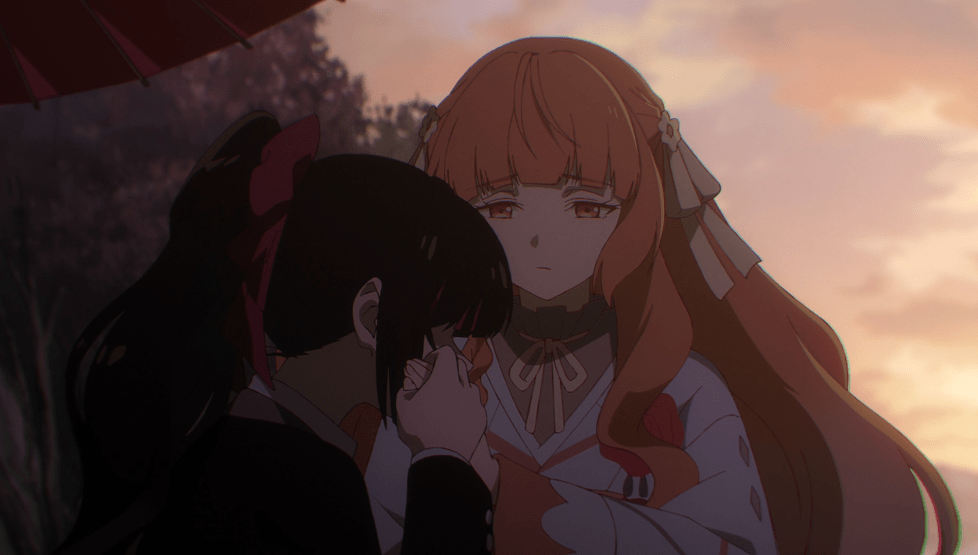
Rating: B
What this series was aiming for is clear: take an intriguing (if impractical) supernatural set-up in modern day and narrow the focus to a personal level: how the situation impacts the seasonal Agents and their relationships with the people around them, must especially the Guards assigned to personally protect them. To a certain extent this works, and this is a tale rooted in deep emotions and deeper psychological trauma, especially for Hinagaku (the Agent of Spring), who apparently developed a new personality to cope with years of being kidnapped. However, the series is hampered by spending too little time explaining itself. Why are there terrorists apparently seeking to kidnap or kill the agents? What could they possibly stand to gain from killing an Agent, since a new one is automatically chosen then the previous one dies? This has not event been hinted at through seven episodes, and since that’s a main driver for the story’s plot, that’s a massive omission. This could be a very good series if it better justified its own internal logic.
Always a Catch!
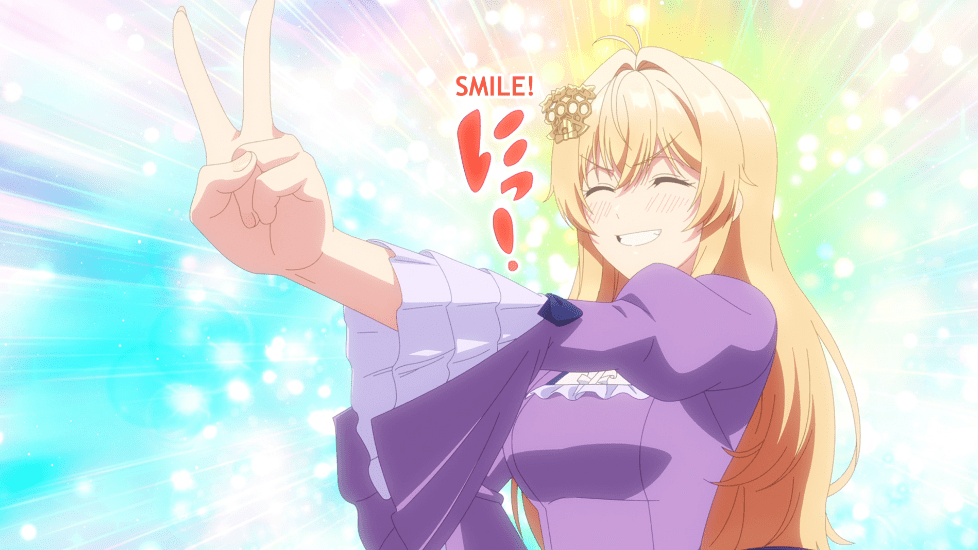
Rating So Far: B+
If I were to make a “priority view” ranking for the season, this title is my current #1, and not just among new titles. It’s just so much fun to watch, and that has everything to do with protagonist Maria. The cheery way she approaches almost everything is such a delight, and hardly anything fazes her as she barrels he way through any problem she faces, whether it be bandits, nobles, or even foreign royalty. It’s not hard at all to understand how she unwittingly wins Renato over as the husband prospect she was looking for. But while Maria could carry the series, she doesn’t have to. The beefy escorts who come to take Maria back home after her betrothal just feel right, and I got a particular delight out of how Maria’s sisters stomped all over their father when he was rude. Maria clearly adores the little brother who’s supplanting her as the family’s successor, and she’s also no joke when it does come to a fight. Both she and this series make for an interesting contrast to Scarlet and May I Ask for One Final Thing? from a couple of seasons ago; despite some thematic overlap, they takes entirely different approaches, and I love it.
An Observation Log of My Fiancee Who Calls Herself a Villainess
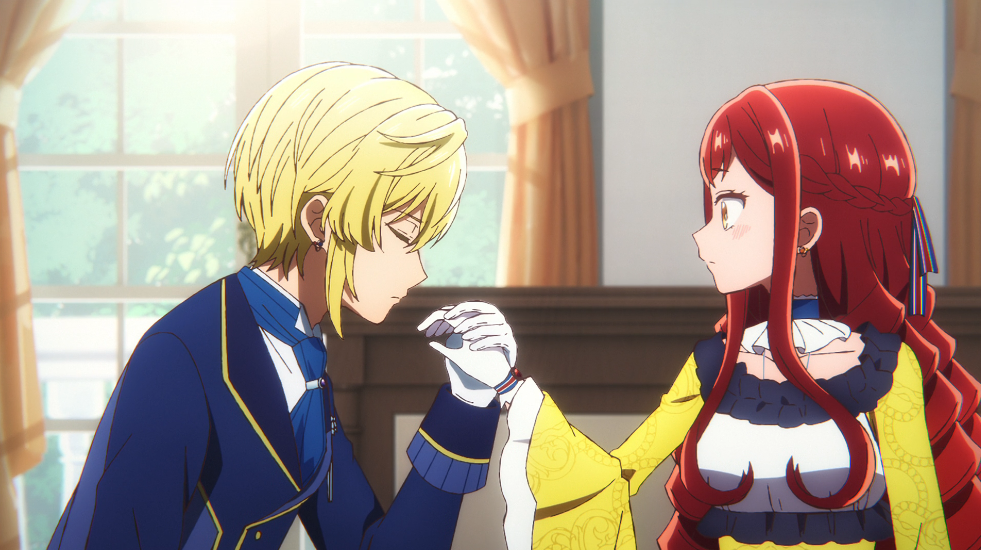
Rating: B+
I expected this series – with its novel twist on the standard isekai villainess set-up – to be amusing and even interesting, but I was not expecting it to actually be good. But that’s where we are at the end of six episodes, with the prince starting to realize that Bertia is more to him than just entertainment to alleviate his boredom. Of course, Bertia still hasn’t quite accepted herself that she’s failing miserably at being a villainess (and trying to get Cecil together with the proper heroine) because she’s unwittingly won over both the prince and a wide range of supporters that the true villainess shouldn’t have, and that’s just a adorable. This is easily my second-favorite new series of the season, with my only complain so far being Cecil’s younger brother. WHAT IS UP WITH THAT HAT????
Daemons of the Shadow Realm
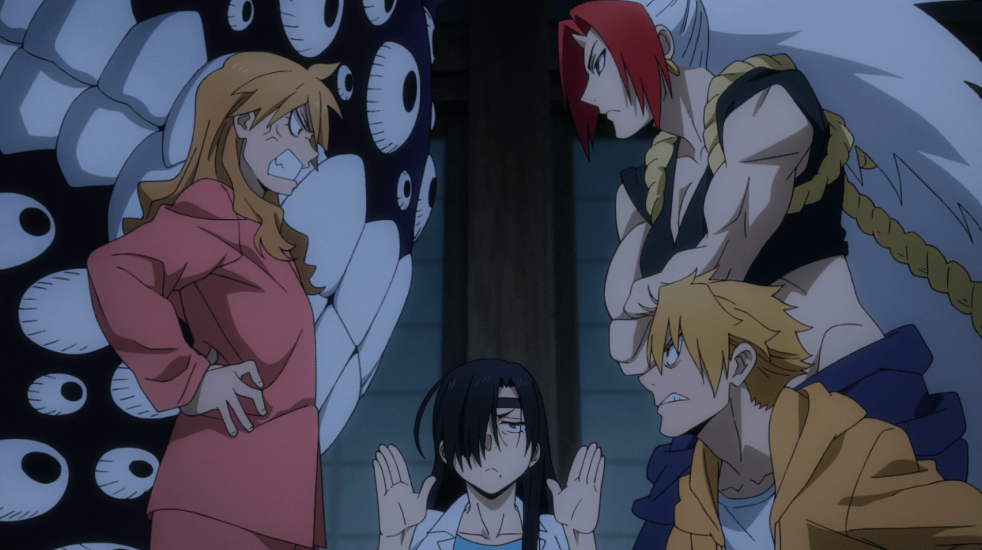
Rating So Far: B
I have a big problem with this one, and it has to do with the series’ tone. Episodes past the first seem to be largely ignoring how grim the first episode was, and the series has struggled to find a good balance between its lighter and darker elements. Asa’s behavior in particular also seems entirely out of line with how she was portrayed in that first episode. Granting, a big reveal on the truth of her situation is impending with the next episode, but so far no one is at all explaining to Yuru why such violently aggressive actions needed to be taken against the village (to call it a slaughter wouldn’t be an overstatement) and the only hint has been a comment or two about the village sending out assassins. Essentially, the Kagemoris and Asa haven’t done a thing to justify why Yuru should listen to them, and he can only trust that they’re not out to kill him, too. On the upside, the series has shown that it can deliver on action scenes, and I like the portrayal of Right and Left, especially Right. The English dub has been very capable, too.
MAO
Rating So Far: B
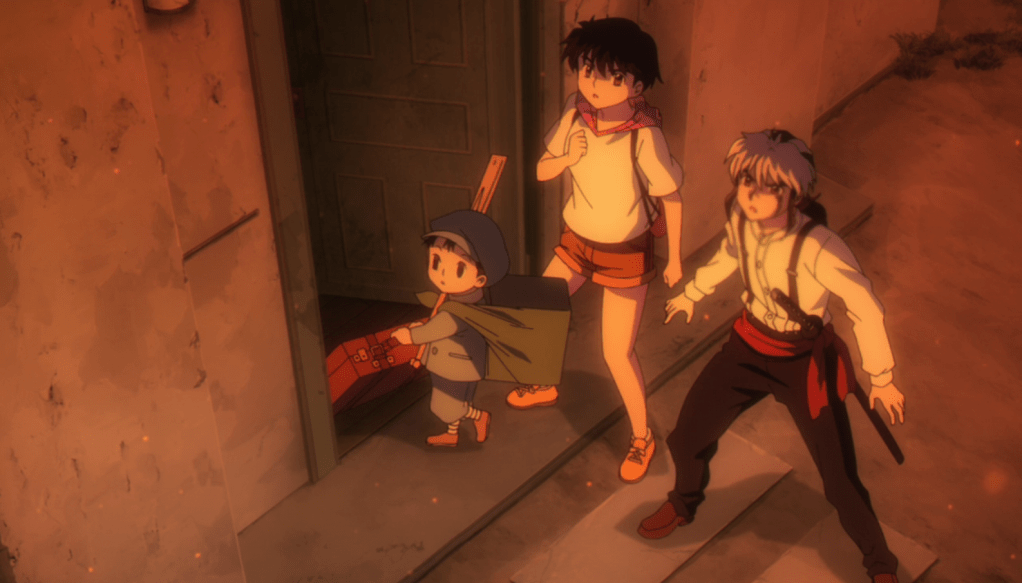
I would rate this one even higher if judging it just on episode 6, where the Great Kanto Earthquake happening is merely the backdrop to explain a lot of the series’ mysteries so far, including at least part of what really happened to Nanoka as a child and how she, Mao, and the Byoki are all connected. In general, this one will never step fully out from the shadow of Inuyasha (whether by design or not), but it is proving to be a solid iteration on the same concept, one backed by some quite respectable technical merits. On the downside, Mao is nowhere near as compelling a character as Inuyasha was, and there’s no romantic tension (at least not yet!), but it doesn’t lack for darkly-shaded mystical elements, and the setting this time being much closer to the present day allows for some things that Inuyasha did not (such as Nanoka doing research on what happened in 1921). Not a favorite, but a definite keeper.
Needy Girl Overdose
Rating: A
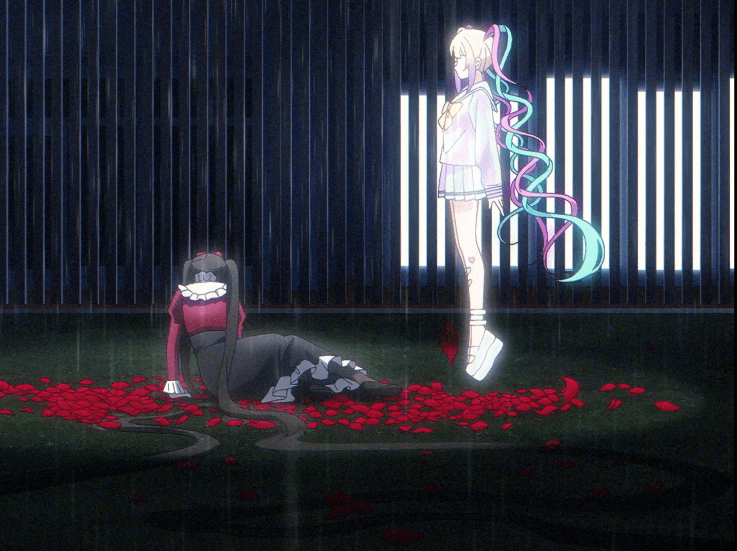
No series I’ve seen in recent memory feels like it has more to say per minute than this one does, to the point that it’s not a casual view; optimally, it should be watched with undivided attention and a finger hovering over the Pause button. It’s a series which throws out classic literary references, uses a famous cantata from Bach, or even a defining 18th century artwork to help illustrate its points while also trafficking very much in utterly modern social media and streaming sensibilities, all while dealing with heady topics primarily involving how young women can exist with and within modern media and form their own identities accordingly. Much of its imagery is loaded with symbolism, it does touch on some edgy topics (suicidal ideation, self-harm, coercive sex), and its structure is far from conventional, and that could make it a difficult watch for some, but the boldness with which it approaches its subject matter has to be respected. This is, at worst, one of the two best series of the season.
Reborn as a Vending Machine s3
Rating: C+
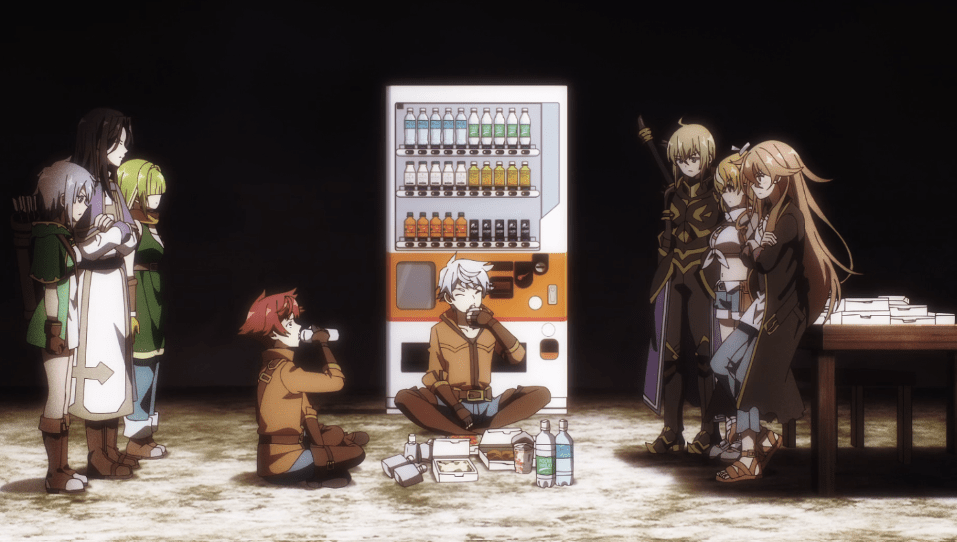
This series hasn’t exactly done anything wrong with this season, but perhaps the novelty of its central gimmick has worn off? That the writing has been wishy-washy on handling the betrayal of certain Menagerie of Fools members definitely hasn’t helped. The plot at least looks like it’s headed in more promising directions with a big discovery at the end of episode 6, though, so this lackluster installment may finally be on the upswing.
Snowball Earth

Rating So Far: C+
The CG used for the series’ animation honestly doesn’t bother me, but I have other issues with this one. Most of them concern the series’ pacing, as it’s already showing a bad tendency to tediously draw out major events. This is especially evident in the most recent episode, which spends way too much time establishing the pathetic motivations of the new human villain and then way too much time allowing him to philosophize in the present. I’m giving the “plus” part of the grade because at least the series does introduce some worthwhile supporting characters and establish some bigger mysteries about the nature of the space kaiju, in particular the special cases like the flaming one and the ice-generating humanoid. With those, it’s keeping my attention just enough for me to continue with it.
The Beginning After The End s2
Rating So Far: C
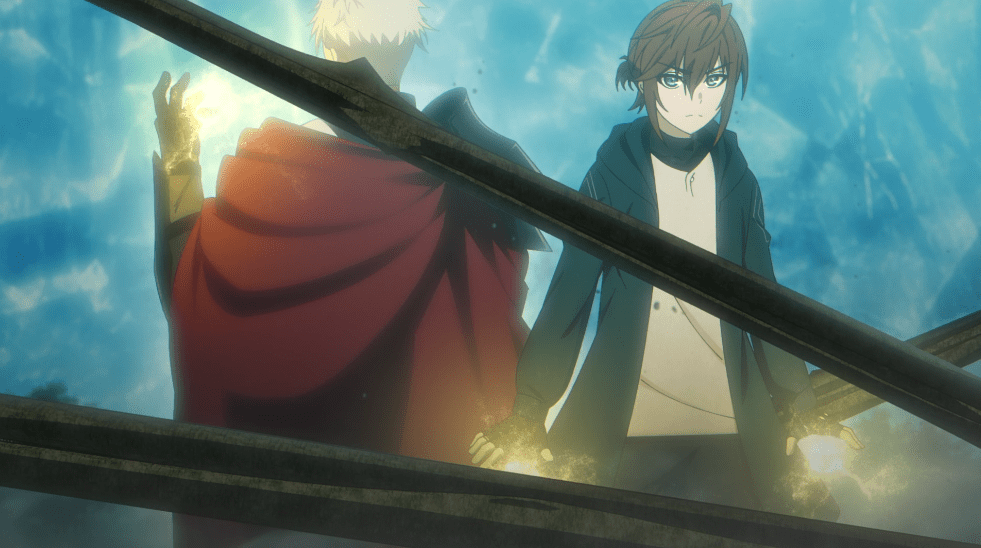
Of all the sequels I’m following this season, this one was easily the weakest in its earlier content, and so far its second season hasn’t done anything to change that. It is making at least an effort to keep Tessia involved in a “their paths just don’t cross” irony, but nothing either side is doing is particularly interesting or indicative of any bigger plot. It certainly doesn’t offer much to get excited about on the action front, either (although its most recent episode was one of its better efforts so far). This is purely a “watch when I’m bored” level series for me.
The Strongest Job is Apparently Not a Hero or a Sage. . .
Rating So Far: C+
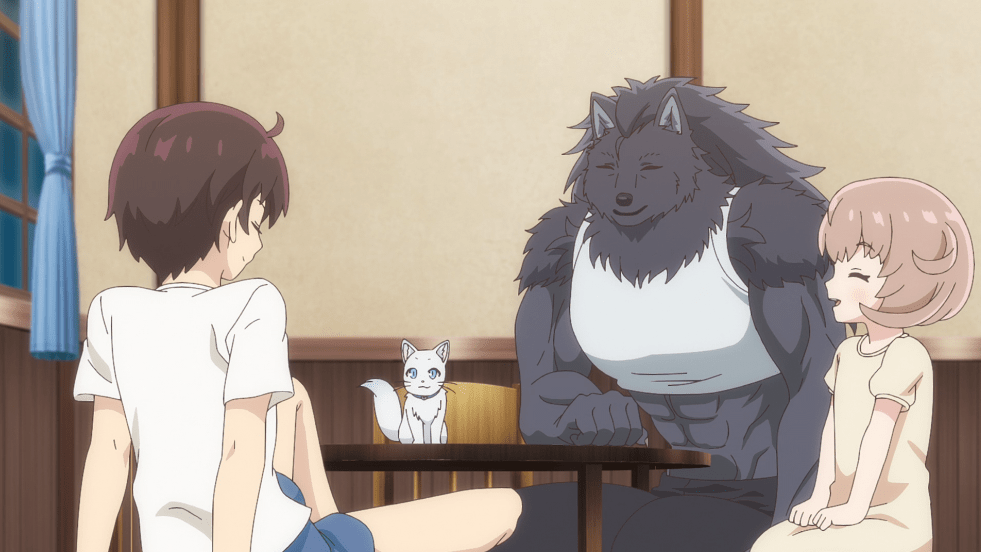
Of this season’s crop of isekai tales, this one is easily the most conventional in both set-up and execution. While that’s not automatically bad, the series also isn’t doing much to stand out, and it makes a critical error by separating protagonist Hibiki from busty elf Emalia early on for multiple episodes, effectively having her go off on her own story for a while. The series’ efforts to balance its sillier and more serious aspects are uneven in their effectiveness, too. The only things saving the series from complete mediocrity at this point are some curious world-building points brought up in episode 7 (multiple demon lords who don’t necessarily have to be evil and are chosen by the goddess of the underworld?) and hints of a bigger plot which the gods seem to be directly involved in themselves.
This Angel Spoils Me Rotten s2
Rating So Far: B-
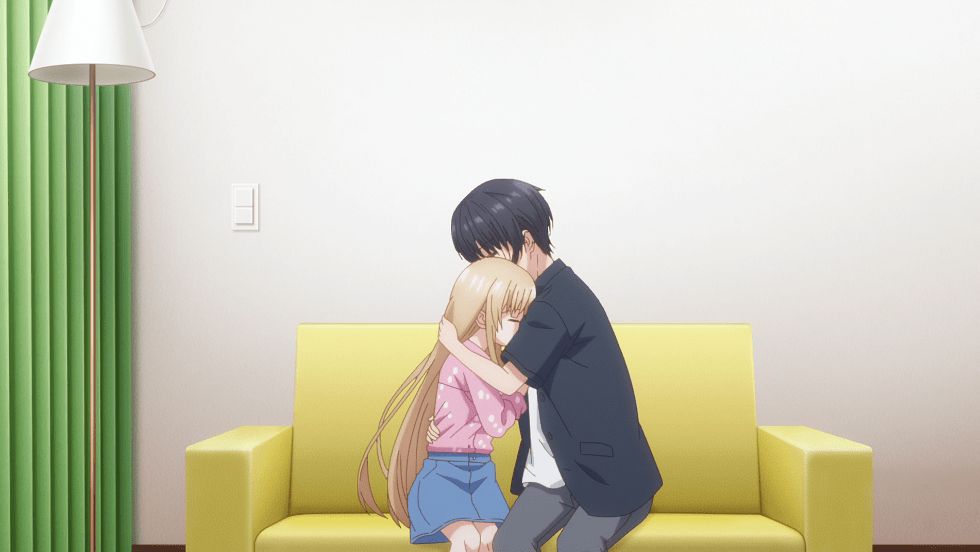
Amane and Mahiru finally being open about their relationship allows them to to be openly cute and flirty as they go through the formal stages of dating, including meeting Amane’s parents (expected) and Amane meeting Mahiru’s father (much less expected). As sweet as this is, it’s also, frankly, a bit dull. Prior to Mahiru’s father showing up in episode 6, the only hint of conflict was an encounter Amane had with one of the boys responsible for him not living with his parents, and with Mahiru at hand, he’s unassailable now. We already knew that Amane’s mother adores Mahiru, and so does his dad when he finally gets introduced, so there’s no trouble there. Amane and the father was really the first time this season that true tension existed. That scene was interesting, and I’m curious to see the long-term consequences of that. Overall, the series is watchable but not a priority view.
Witch Hat Atelier
Rating So Far: A-
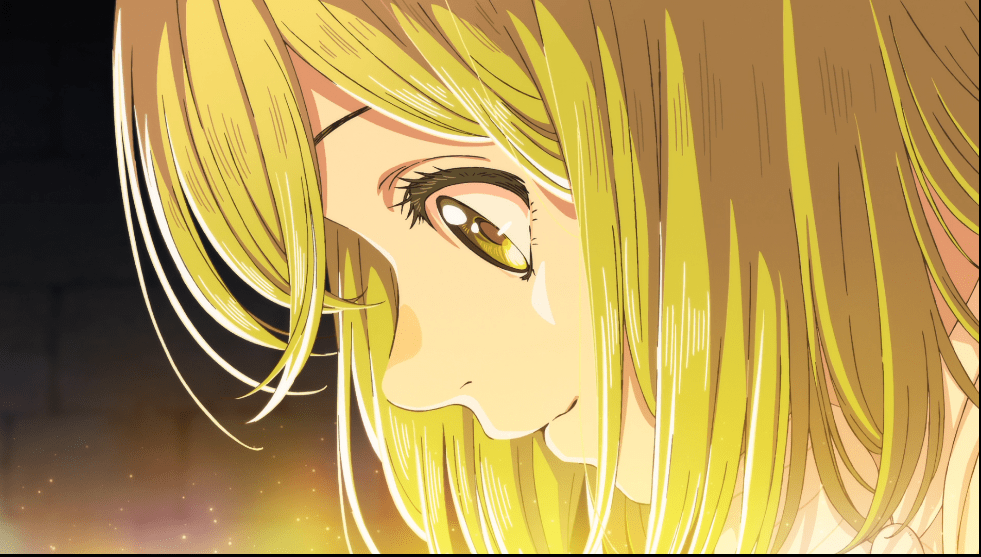
This one, on the other hand, is a priority view, though more because it’s exceptionally well-made than because I find it fully engrossing. (It would only rank fourth or fifth for the season on my list in that regard.) It’s unquestionably the season’s premiere artistic and technical achievement, but nothing is lacking in a world-building or characterization sense, either, and it does a fine job of setting its tones. The mysteries surrounding the Brimmed Hats are also only starting to grow. It is, at worst, one of the two best series this season, and I can’t see it easily losing that position.
Part 2 should be posted on or around May 18th.


3 thoughts on “Spring ’26 Mid-Season Report, part 1”