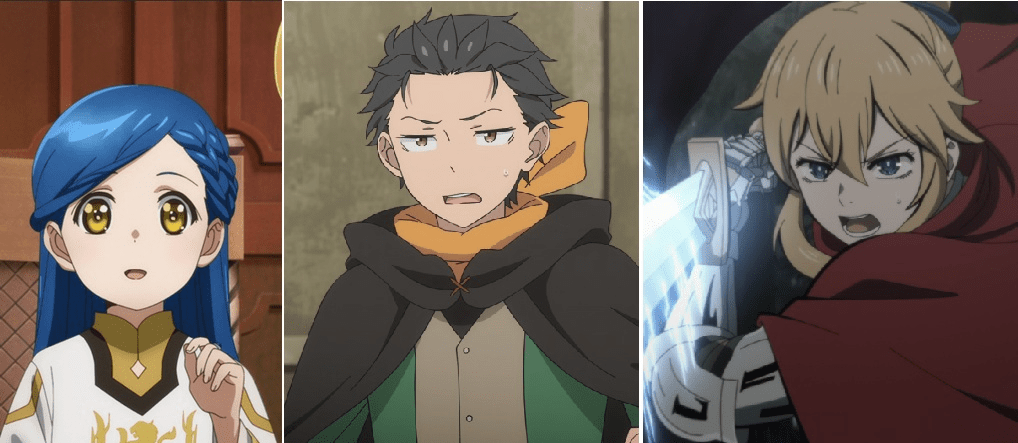
This half covers titles which hit episode 6 on or after 5/10/26. It also includes a special for an older series which happened to debut during the first half of the season.
Ascendance of a Bookworm s3

Rating So Far: B
While there haven’t been any big events so far this season, the series nonetheless continues to be a low-key delight, showing up Rozmyne’s progression into noble society and the steps she takes to help fund and promote her printing effort, including finagling Ferdinand into putting on a concert and introducing the concept of selling merch at such an event. She also, notably, finally gets the flying animal car that’s to become her magical “steed.” Again, the series isn’t doing anything special but is still progressing nicely.
Farming Life in Another World s2
Rating So Far: B
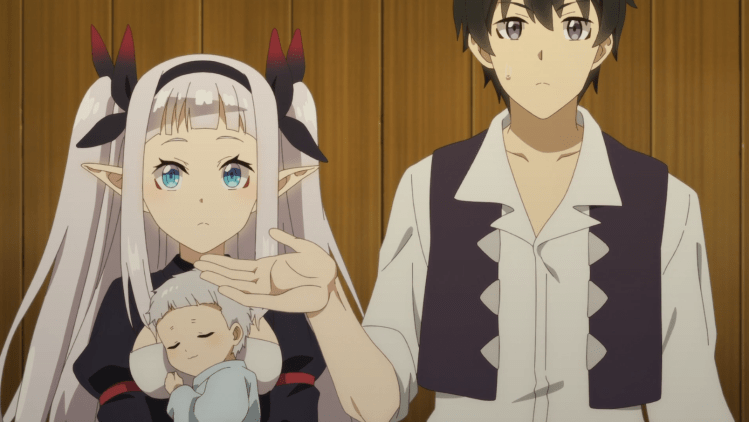
So far, the second season has firmly maintained the focus on fantasy-themed bucolic fun which made the first season a success. That means that nothing much for actual plot developments happens, but the story does progress with the addition of new races (minotaurs, centaurs, harpies, additional angels), the expansion to a second and third village, and visits from various powerful individuals, including assorted dragons, the High Priestess of the religion that the vampire progenitor runs, and the Demon King. The one concession to anime norms is a martial arts tournament episode, which gives the various races chances to show off in a fight, though a series of challenges Hiraku has to pass to satisfy a newcomer angel provides arguably the season’s funniest sequence. (Watching one of the Killer Angels lose it as the newcomer’s challenges comically run headlong into Hiraku’s reality is half the fun here.) That the series is really just maintaining here is totally fine; the one negative is that the ever-expanding cast has pushed attention on Lulucy and her son with Hiraku to the side.
Gals Can’t Be Kind to Otaku!?
Rating So Far: B
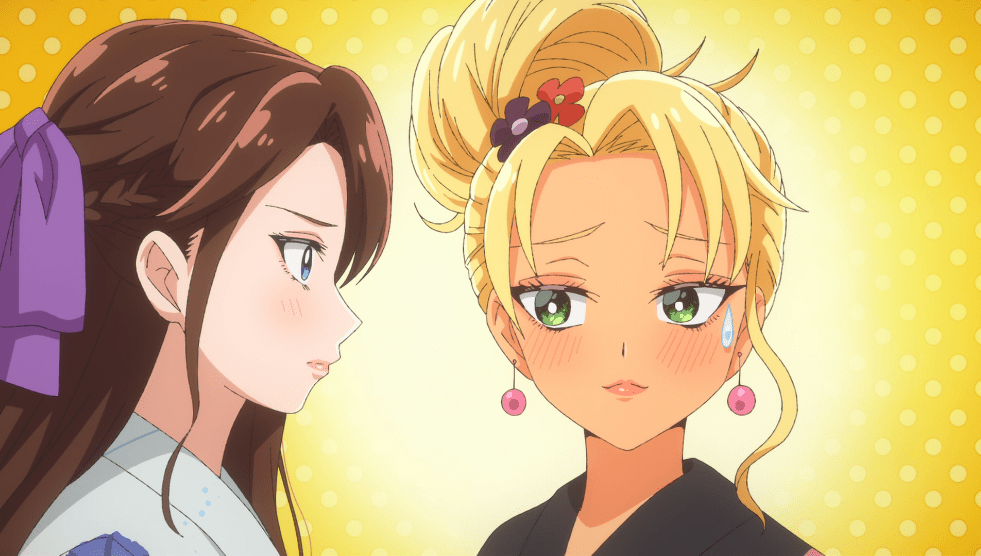
On the surface, this is just another potential-love-triangle-centered romcom involving a nondescript boy paired with two girls well beyond his normal social circles and class station. And, indeed, that’s pretty much how the first six episodes play out, with the trio interacting as a friend group or in assorted date-like scenarios. However, I’ve long felt that the key to making romcom triangles work is to provide convincing reasons why the characters get together in the first place, and this one does a better job of that than most. Takuya connects with Kei over a shared interest, Kotoko gets involved because she’s interested in how her stoic friend is less stoic around Takuya, and both girls seem to appreciate that Takuya isn’t constantly trying to hit on them, like so many other guys do. Bringing in the younger siblings (or, in Kei’s case, the neighbor girl who’s like a little sister) also helps, as does seeing what the girls are like when not in “gal” mode or their slightly atypical school capabilities. (Cool Kei is actually the athletic one, while gregarious Kotoko is the brainy one.) The way the girls’ eyes are drawn may throw some off, but this has been a fun and surprisingly non-fan servicey (even the beach episode had the girls in very conservative, tasteful swimsuits) ride so far.
Ghost Concert: Missing Songs
Rating So Far: C+
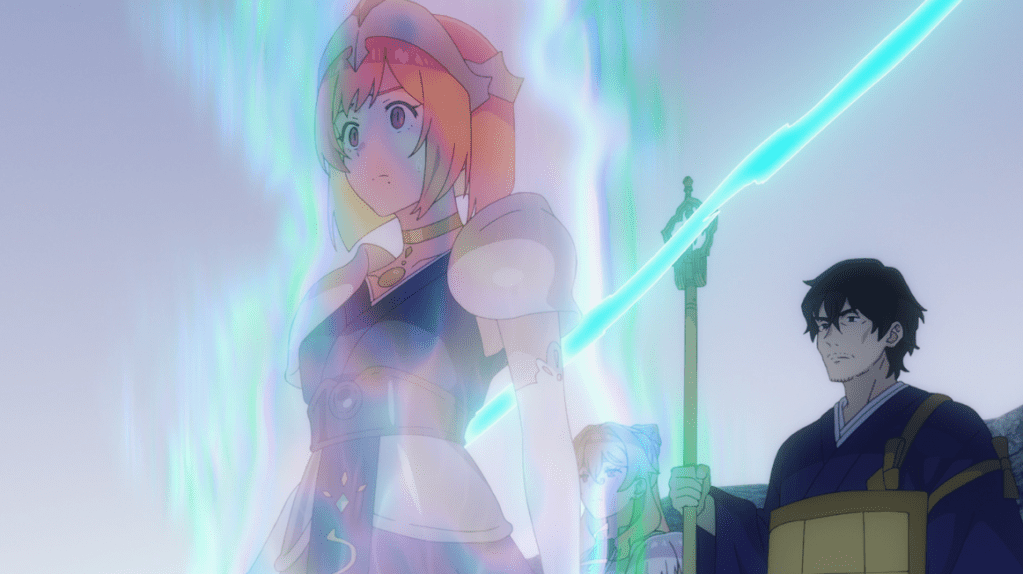
This series has some neat ideas – especially in its coolly-executed song battle duets – but man, the actual plot and world structure here are confusing as hell. Episode 6 does at least establish a bit about the origin of MiucS, though why it was needed to replace “songs that kill” or how it warped into the semi-mystical entity which has banished all music besides itself and yet doesn’t seem unsympathetic to Seria has yet to be explained. At least the vague hint of yuri that’s been lingering in the background since the beginning has now been formalized, and Seria’s gotten to collect a rather powerful assortment of Great Ghosts. (New ones pop up each episode, too, including Tesla and, most recently, Nero.) This could be a pretty decent series if it ever gets around to more fully explaining itself.
I Got a Cheat Skill in Another World special
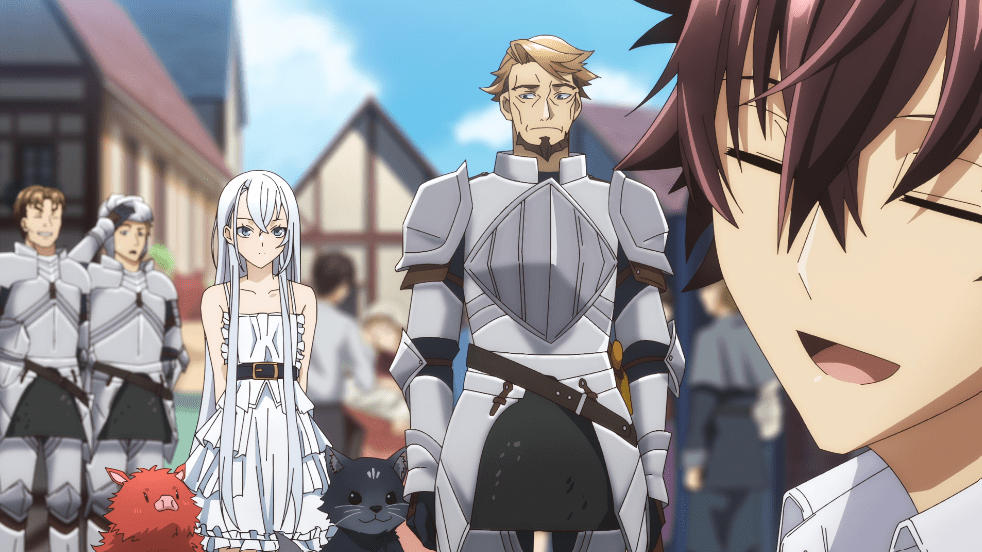
Rating: B-
This 47 minute special is a direct follow-up to the end of season 1, one which features Yuti coming to the modern world and joining Yuya and Kaori’s school and, later, Kaori accompanying Yuya and Yuti to Lexia’s kingdom, where they get involved with an affair concerning a legendary dragon. The Vile also start to more directly show their faces, as do additional Divine. In other words, this is a plot expansion rather than a side story and absolutely mandatory viewing for anyone who was a fan of the first season’s 2023 run. It retains (for better or worse) all of he first season’s distinctive character designs, fan service inclinations, and animation shortcuts, too. A second season has been announced, so this should tide the fan base over for now.
Re:Zero S4
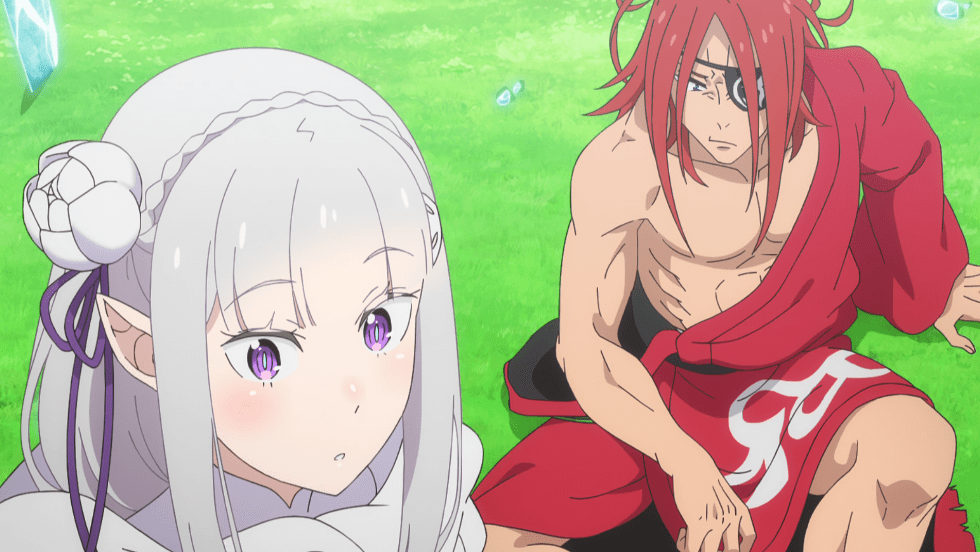
Rating So Far: A-
Re:Zero has always stood among the elite of isekai titles, and while this hasn’t been a spectacular season for it so far, nothing here dissuades from that status, either. The most direct quest yet to find a solution to Rem’s deep sleep (among other things) has had expected complications, multiple Return by Death events, some of the most gruesome content seen yet in the series, and some very interesting implications about the identity of the Sage whose tower Subaru has gone to. When it’s harrowing, the series doesn’t have an equal within its genre, and it never shorts on character development, either. (Why is the fake Aanastasia so desperate to help Julius against a tough opponent, for instance?) Between these and the series’ generally-strong technical merits, it’s one of the season’s upper-tier titles.
The Classroom of a Black Cat and a Witch
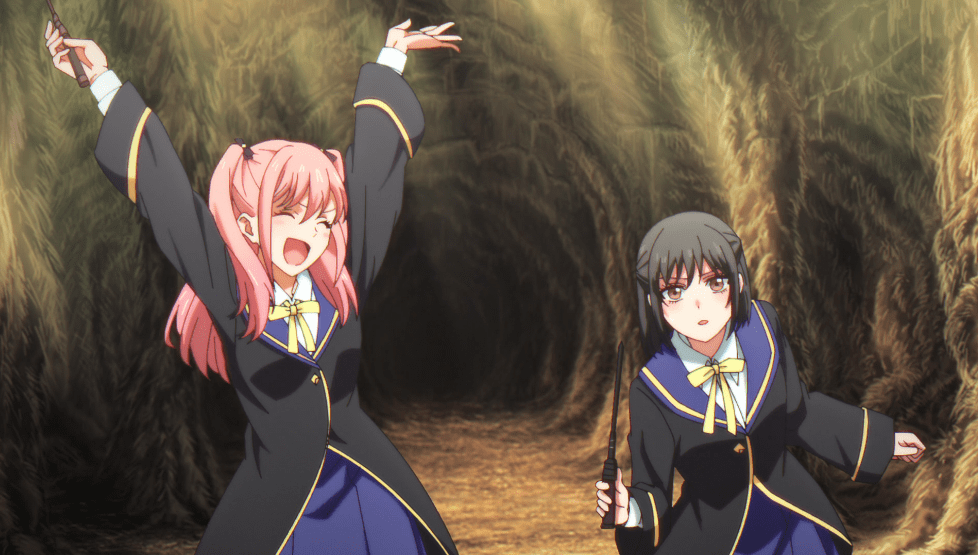
Rating So Far: C+
Really, the whole thing about kissing a cat’s ass feels more and more unnecessarily juvenile as the series progresses, but that’s only barely touched on beyond the first episode. The series instead focuses much more on setting up a very standard “class of misfits at magic school” scenario and routinely fails to to anything at all interesting with it. The only reason it’s not getting a lower grades is because it generally looks pretty decent.
That Time I Got Reincarnated as a Slime s4
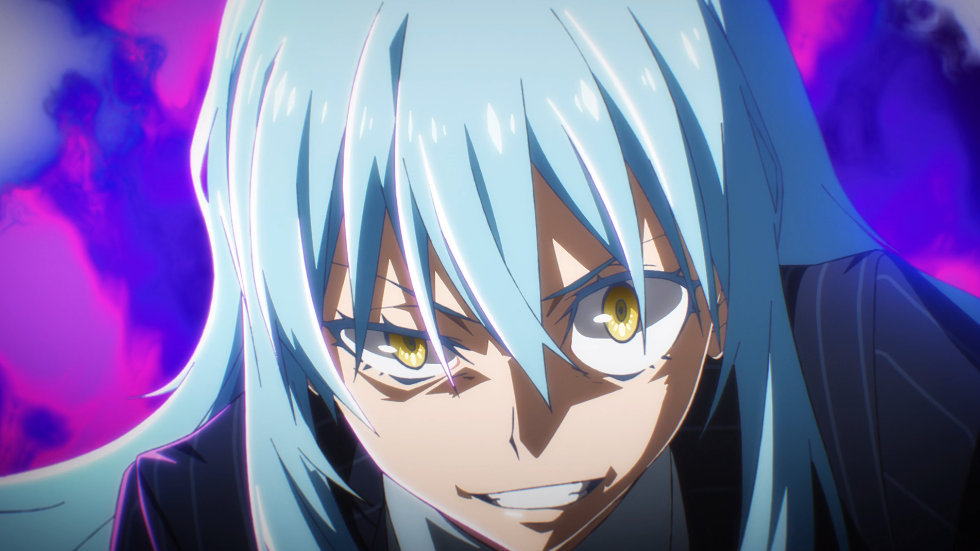
Rating So Far: B-
This almost deserves a lower rating after suffering through the stupidity of the two episodes focusing on Rimuru, Milim, and Veldora making avatars so that they can traipse around Tempest’s own dungeon and beat up adventurers (but only after getting thrashed first!), but the first half makes up for that by shifting to a much heavier plot focus after that, one involving Tempest being considered for admission to the Western Council. This half also gives us some backstory on Mariabell and shows why she’s dangerous enough to be the main antagonist for this season. If the emphasis on plot continues then this could be a better series in the end than what it started out looking like.
The Most Heretical Last Boss Queen
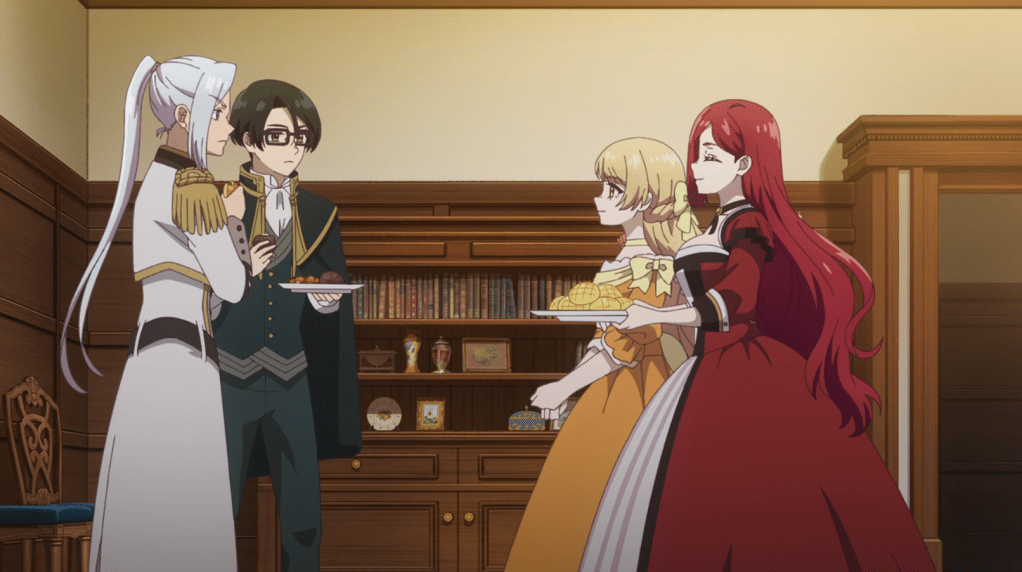
Rating So Far: B
Of all the “reincarnated as a villainess” series, none have the titular character seem more haunted by her potential role than with Pride Royal Ivy. Given that the true Pride was legitimately evil incarnate (a truth bolstered once again by what she did to the foreign prince who was to be her consort), why she would be this way is not hard to understand, but this is the rare series of its type where none of that is played off as a joke. That helps keep the series going through the less interesting parts. (Sorry. Stale, but you’re just not an interesting enough character to warrant this much attention. Val, on the other hand. . .) Also good to see that Pride and Tiara’s parents haven’t been forgotten about. The series isn’t doing anything exceptional but is satisfyingly holding course.
The Warrior Princess and the Barbaric King
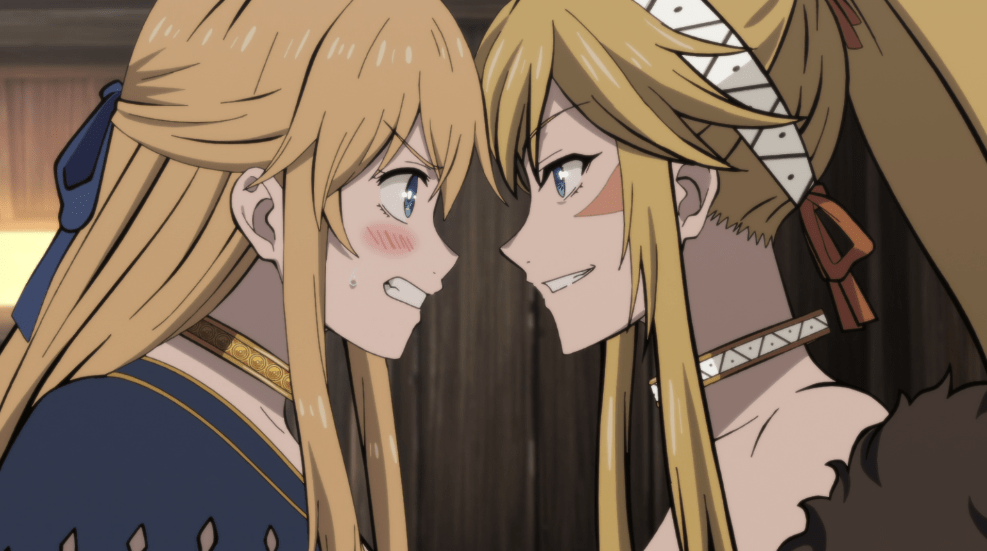
Rating So Far: B
Though the series has never been dull, the most recent episode has been the most interesting, with the expected revelation that the missing warrior princess from Sera’s backstory is Veorg’s mother and the unexpected revelation that Veorg’s people have actually been deeply influenced themselves by Western traditions, even if many of them don’t realize it. (The concept of marriage in their culture was introduced by all those captured female knights, for instance.) On the plus side beyond that, the story so far has been rich with world-building details and Sera has, thankfully, been allowed to fight. On the minus side, servant Cersei is just there; though regularly present, she’s barely shown a personality and had only a hint of background development. A fan servicey element continues to be a semi-regular but not constant aspect. Overall, it’s been one of the season’s more entertaining views.
Wistoria Wand and Sword s2
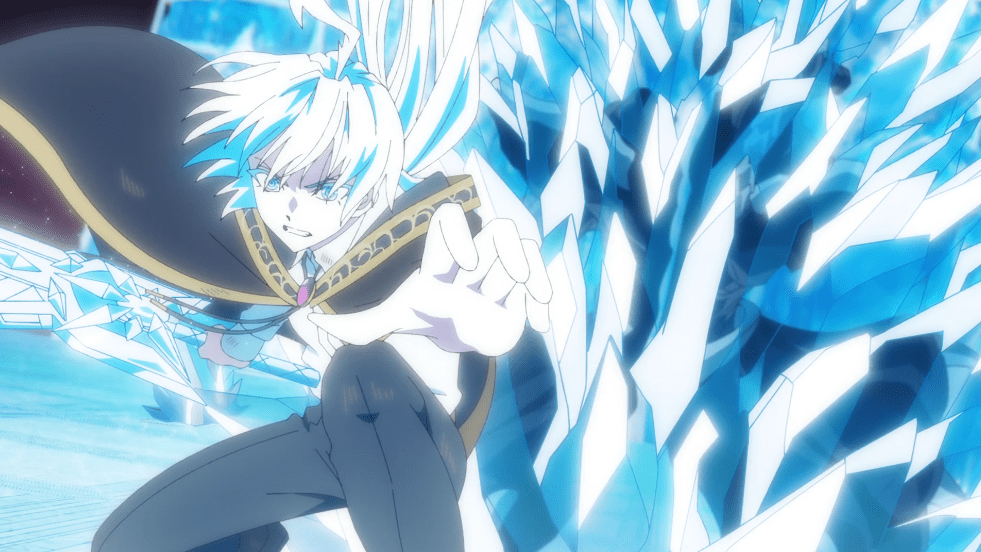
Rating So Far: B
The strength of this series’s first season lay entirely in its lavishly-presented action sequences, but it excelled so well at those that much of the rest of it didn’t matter. Though this season has plenty of spectacle with a prolonged battle scenario, that also felt like it dragged out, and the last two episodes have felt more like a seasonal cap than a midway point. The mysteries inherent in the setting and especially who/what Will is continue to build, though, and that keeps the series afloat for now. And is it just me, or does this series’ Finn remind one a lot of a Finn from another certain series centered on a Dungeon?


2 thoughts on “Spring ’26 Mid-Season Report, part 2”