
Now that the Summer 2025 season is fully over and all of the series I’ve been following are either ending or going on hiatus, it’s time to look at how the series I followed finished out.
As I noted in the Mid-Season Report, this was the lowest volume of titles that I’ve followed in a few years; in the end, I only completed 17 series. Of those, I will not be covering Isekai Quartet 3 or Touring After the Apocalypse here since I have talked about those separately in episode reviews and The Apocalypse Files specials, respectively. (See the most recent one here.) Of the rest, I am covering here the ones where my evaluation of the series has change since the Mid-Season Report and/or I have additional things to say about. Neither of those applies to Hero Without a Class, Let This Grieving Soul Retire, or Ranma ½, so please refer to the Mid-Season reports for opinions on those three.
As for the rest:
BEST OF SEASON – May I Ask For One Final Thing?
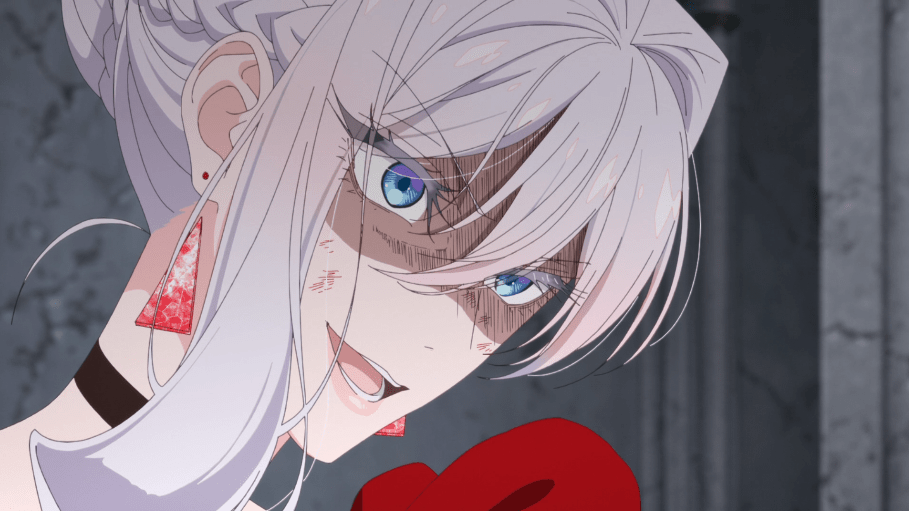
Series Rating: A-
While the series may not have been quite as fresh anymore during some parts of the second half, I don’t feel it actually slumped, and it certainly recovers itself well for its finale. (Even the technical merits are sharper in the final episode.) It’s a delight to the end, and Scarlet has staked a firm claim to being one of the great heroines of the recent past. Expect to see this series mentioned frequently in end-of-year awards in both overall and individual categories. (I could see it being competitive for Series, Character, English Dub Performance, and OP.)
Runner-Up: Shabake
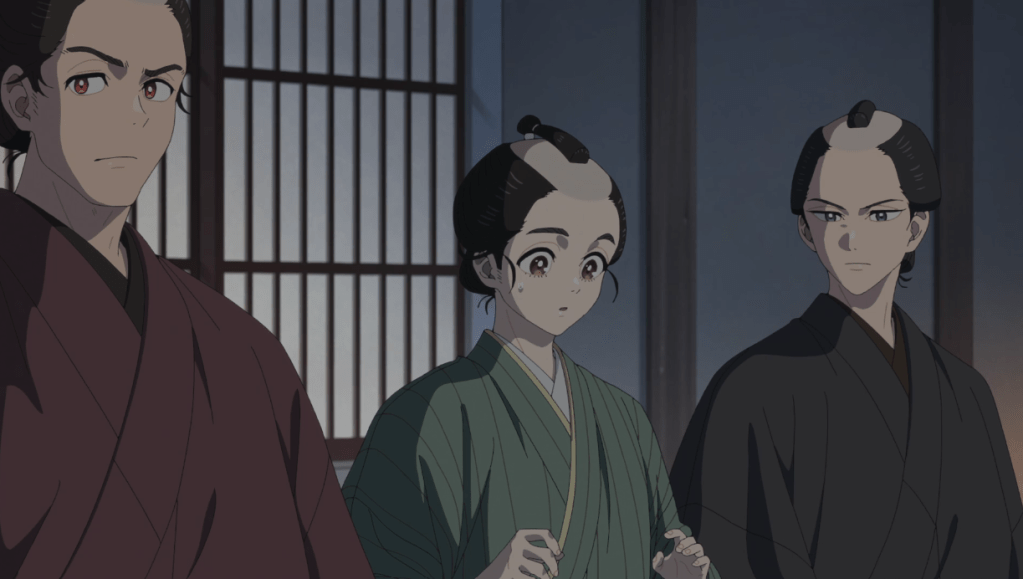
Series Rating: A-
Qualitatively speaking, this one was the equal of May I Ask, so it being only second is mostly a matter of personal preference. It consistently remains one of the season’s best-looking and best-animated titles through to its end while playing out a remarkably intricate mystery scenario which fully integrates supernatural aspects and throws out a number of late twists. (The exact nature and motivations of the series’ main antagonist are both unique and quite interesting, for instance, and Ichitaro winds up being more actively involved in the action-oriented climax than you might expect.) And it also continues to be both a premier period piece and quite possibly the year’s most purely Japanese title. It’s virtually a lock to make my Top 10 ranking for the year.
THE REST
A Wild Last Boss Has Appeared!
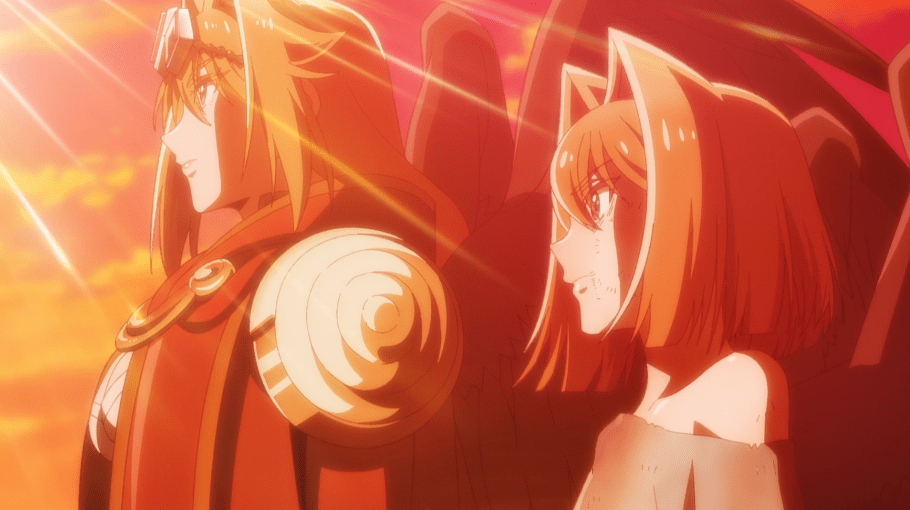
Series Rating: B
Raising this series’ grade only to a B may be underselling what the series is accomplishing. Numerous revelations throughout the second half shake up all assumptions about the setting and call deeply into question why Lufas’s player in modern Japan was called into this world to overlay the original Lufas. The writing also raises fundamental questions about how much the player may have affected the original Lufas’s story, since she has a full backstory well beyond what the player ever created. There’s also the mysterious “Goddess Scenario” and how the Demon King seems more peeved by that than anything else, and oh, yes, someone is not who they appear to be (but that doesn’t necessarily mean they’re an enemy, either). Somehow in the the midst of that the writing still finds some opportunities for humor, too, and there are a couple of respectable action sequences as well. This is shaping up to be one of the better recent “transported into an RPG” scenarios, and it will get a chance to prove itself further, since a second season has been greenlit. I’ll definitely be back.
Backstabbed in a Backwater Dungeon
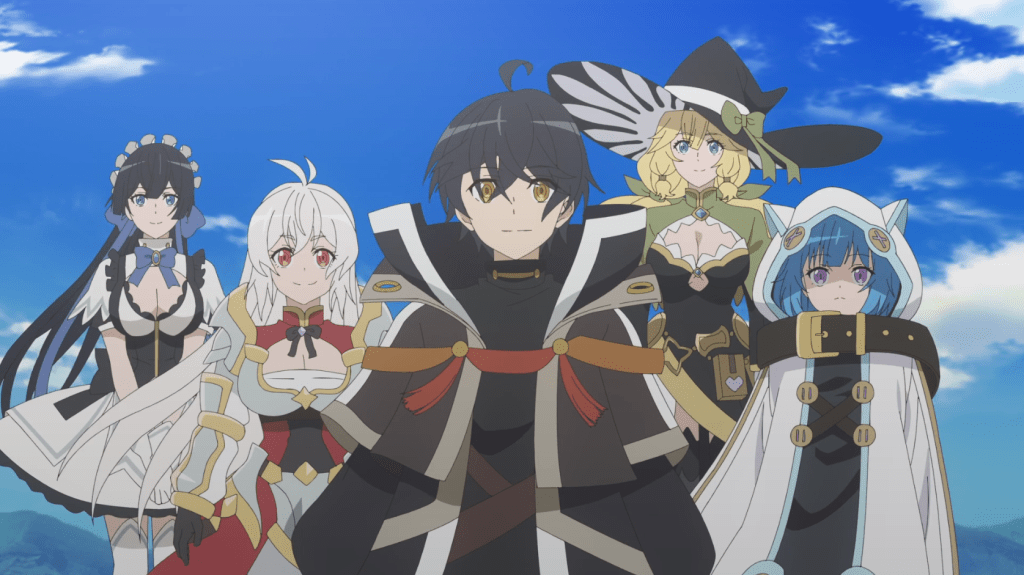
Series Rating: C+
Light becomes a bit more convincing as a mastermind on a hard-core revenge kick as the second half progresses, but the series never fully dispenses with the problems which weighted down the first half: the series is still too determined to try to make Light both a nice guy and a ruthless revenge-seeker, and those two aspects clash. Also, unlike in many other series where the OP protagonist has top-tier underlings, no real rationale is ever given for why all these super-leveled individuals are so powerful or so loyal to light. Almost everyone in the second half who’s not on the Team Light side is also stereotypically awful and irredeemable to a fault and the whole business with liberating humans from slavery by threat-induced decree is poorly thought-out in a practical sense. The series actually looks pretty good, and it does have a nice diversity of characters among Light’s underlings, but the series has simply too many flaws for me to say it’s good or recommendation-worthy.
Dad is a Hero, Mom is a Spirit, I’m a reincarnator
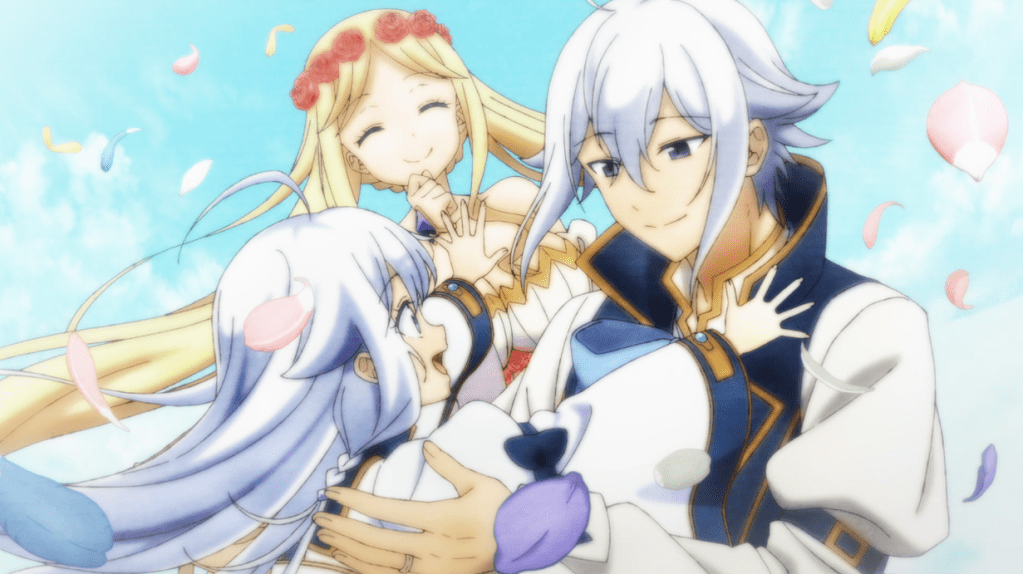
Series Rating: B
This is a very easy series to underestimate because of how cute it looks, but it’s not at all the typical cutesy fluffy isekai title (though it definitely has some of those moments). While it never again achieves the peak impact it did in the stunning episode 6, the series still continues to confront some serious issues and intrigues throughout its second half and leans much more on Ellen’s ingenuity and maturity than her powers. Interestingly, Ellen doesn’t make a path to reconciliation for Gadiel, who clearly looks like he wants to make amends for his ancestor’s misdeeds, but that’s also understandable; humans may have forgotten with the passage of time, but the timeless spirits have not. The one significant negative – and what keeps me from rating this series higher – is that the late episodes entirely ignore the issues with Sauvel’s wife. Still, the series was better overall than expected and I will be back if more is animated.
Dusk at the End of the World
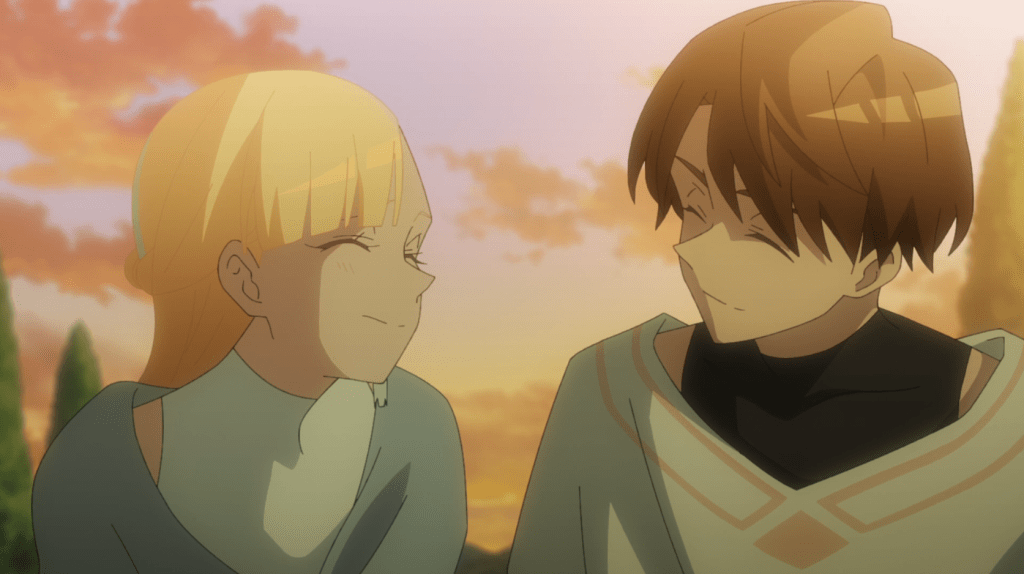
Series Rating: C-
The best thing I can say about the series is that it does tell a whole story; for all the loose ends flapping at the ending, the main story beats, at least, are resolved. Whether they’re resolved well or not is another story. It’s been a while since I’ve seen a series crash and burn as hard as this one did in its late stages, and a distinct slide in artistic quality is the least of those problems. The protagonists of episode 0 do not come off looking well at all as the full truth about the setting’s history comes out, the”LC” relationship’s dynamics are never fully explored, a hackneyed villain pops up in the late stages, and Amoru. . . well, how she’s handled is a complete mess. The action scenes are still the strong points, but otherwise this is the season’s biggest disappointment. So much more could have been done with the concept.
My Status as an Assassin Obviously Exceeds The Hero’s
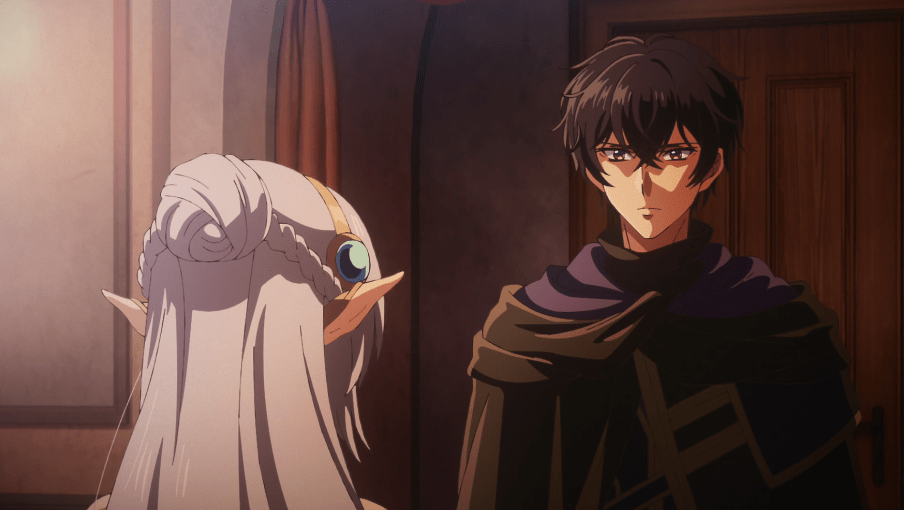
Season Rating: B-
This one still doesn’t impress me beyond its above-average visual quality, and I still think the story progression and execution is generic so far. However, I’m still giving it a minor rating bump for successfully executing Akira’s moral dilemma about whether or not he should resort to killing and whether or not he can live with himself if he does. Granted, a demon familiar who doesn’t see any issue with it and a sexy elf love interest who’s going to stand with him no matter what being on his side gives him an easier out, and the writing certainly makes his target irredeemably awful, but the story at least allows time for him to explore the issue before making his decision, and I respect that. A solid, reliable English dub effort also helps.
Pass The Monster Meat, Milady!
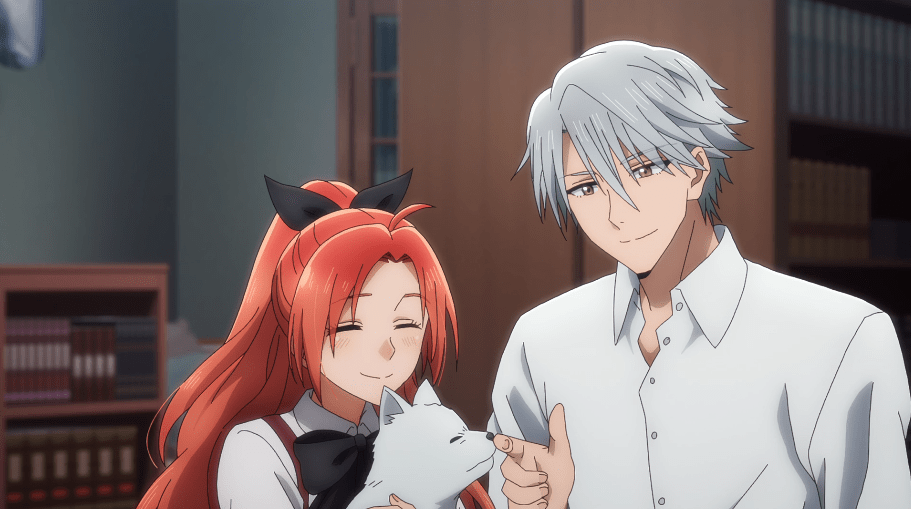
Season Rating: B
The series may be decidedly ordinary (but not bad!) on the visual front and doesn’t do anything ambitious on the characterization or storytelling front; the central Melpheria/Aristide relationship doesn’t significantly change after their formal engagement, and Melpheria’s concerns about being accepted only go so far. There really isn’t much plot in the final few episodes, either, which all involve transporting to Galbraith, introducing the people who will be around Melpheria going forward, and of course going on foodie binges. Action scenes are mostly limited to one long chase sequence by monster birds, too. The one slight bit of intrigue is that Aristide recognizes what Melpheria is completely unaware of herself: her talents and discoveries could be very powerful and dangerous if noticed and exploited by the wrong people, so he’s determined to make sure her efforts are used only for peaceful means. Delving into that could make any sequel which comes along (one hasn’t been announced yet) more interesting. Still, I don’t mind the focus on the mundane aspects of what she’s doing, and these two still make one of the season’s cutest couples. I’d absolutely watch more.
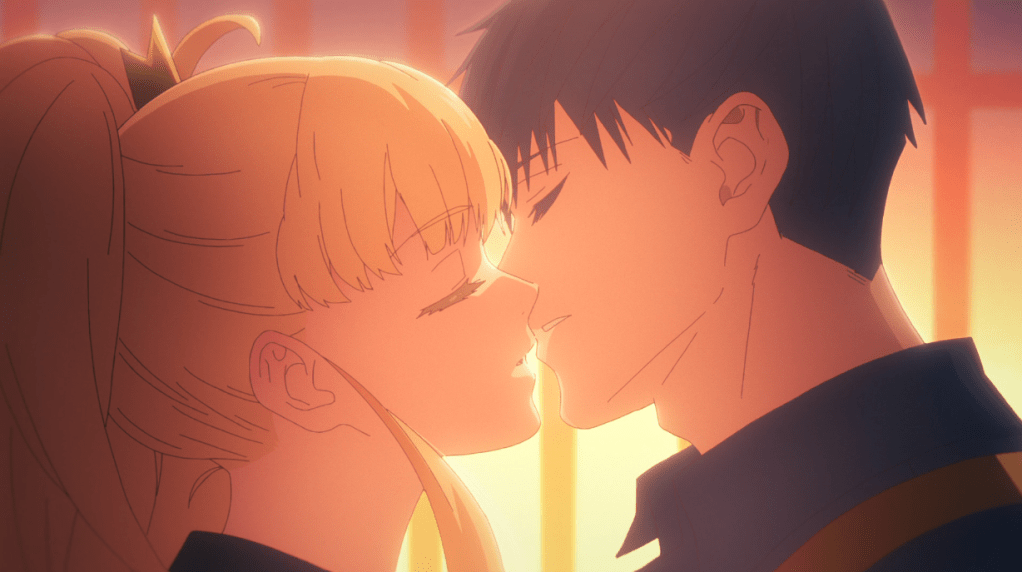
Tales of Wedding Rings s2
Series Rating: B-
I’ll give the series this much credit: it stays true to its foundational principles through to the end, as virtually every episode has some excuse for nudity and all of the Ring Princesses remain fully devoted to the end. It also completely plays through its storyline, including Sato and Hime eventually having sex and even showing a little of what happens in the aftermath of the defeat of the Abyss King. The emphasis on how the closer ties forged between the Ring Princesses and the Ring King makes the difference in Sato not ending up like his predecessor (the previous one had sex with all of the Ring Princesses but never emotionally connected with them) is appreciable, but that’s also very standard fare. The other biggest limiting factor is that Sato never feels completely convincing as the hero, even if he does grow bolder. Overall, it’s a respectable and complete effort for the type of series it is, but not a memorable one.
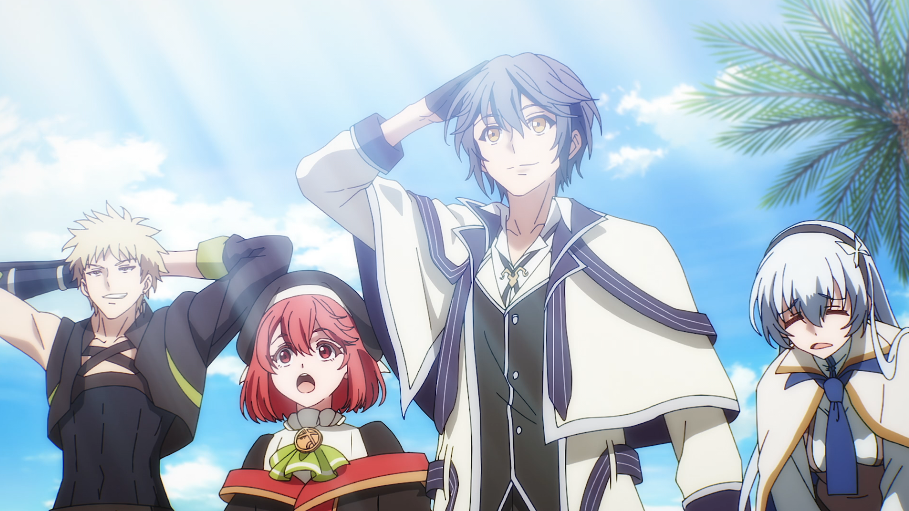
The Banished Court Magician Aims to Become The Strongest
Series Rating: C+
At the halfway point I had some optimism that this one might accomplish enough to be memorable within its genre, but sadly, that doesn’t prove to be the case. There’s not really a problem with anything the latter half of the series does; how things play out with a criminal organization and the Blademaster is perfectly fine RPG-influenced action fare, but also perfectly forgettable, even down to the heavy hooks for the direction a continuation (if it ever comes) might go. At least the core cast is likable and balanced enough.
The Dark History of the Reincarnated Villainess

Series Rating: B-
Mediocre artistic and technical merits overall are primarily what holds this one back, as the doses of cleverness seen in the writing in the first half show more prominently in the second half. As the story progresses, it gradually becomes clearer that everything Konoha wrote reflects where she was developmentally and emotionally at the time she wrote it, and that every bit of this is, to some degree or another, a reflection of her tastes – for better or worse. A late plot twist involving an organization which seems to be intruding into the story from the outside to force it to play out properly (for as-yet-unrevealed reasons) offers a big hook for future plot developments if this one earns another season.
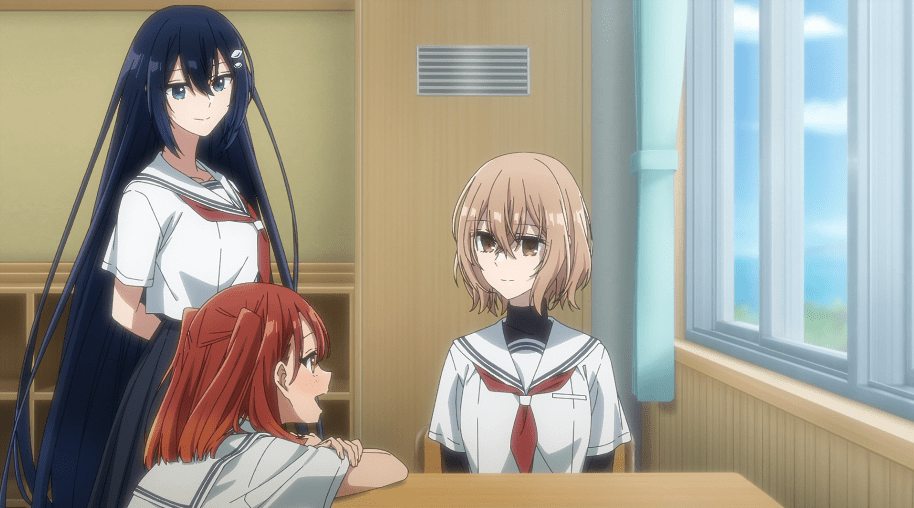
This Monster Wants to Eat Me
Series Rating: B+
Very nearly rated this one higher, because it accomplishes about as well as could be hoped for what it sets out to do: show how a pair of yokai posing as humans seek to save a girl from wallowing in depression, though both of them have different motives for doing so and take different angles about doing it. Arguably the most interesting aspect in the later stages of the series is how Miko begrudgingly teams up with “Fishie” to do so, once she realizes what Shiori’s past connection to Hinako is and where her motivation really lies on the matter. She seems to realize that neither of them can do the job on their own, while Shiori comes to regard herself as a monster more because of how selfish she feels her own motives are. The end of the series is more a small victory than a triumph, but it feels all the more satisfying because depression and regret on Hinako’s level shouldn’t be completely solved so easily. This one has some of the season’s best character writing, and it shows most strongly in its final run of episodes.
That’s it for this installment. I’ll be back in a day or two with 2026: Year In Review.
 USA Anime
One thought on “Fall 2025 Wrap-Up”